
Linear vs Open World Games: Two Different Ways to Experience a Digital World
Some games guide players through carefully crafted stories, while others hand them the freedom to forge their own path. From cinematic adventures to sprawling open landscapes, discover how linear and open world games shape gameplay, storytelling, immersion, and the way we experience virtual worlds.
6/14/20265 min read
Linear vs Open World Games: Two Different Ways Games Tell You a Story
Every gamer knows this feeling even if they have never named it.
You start a game and it feels like the world is guiding you by the hand. You are never really lost. Every step leads cleanly into the next moment, like the game already knows where you are supposed to be.
Then you play another game and everything changes.
No clear path. No strict order. No invisible hand guiding you forward. Just a world that exists, waiting for you to decide what matters.
That difference is not random. It is one of the biggest design choices in gaming: linear vs open world games.
And once you notice it, you start seeing it everywhere.
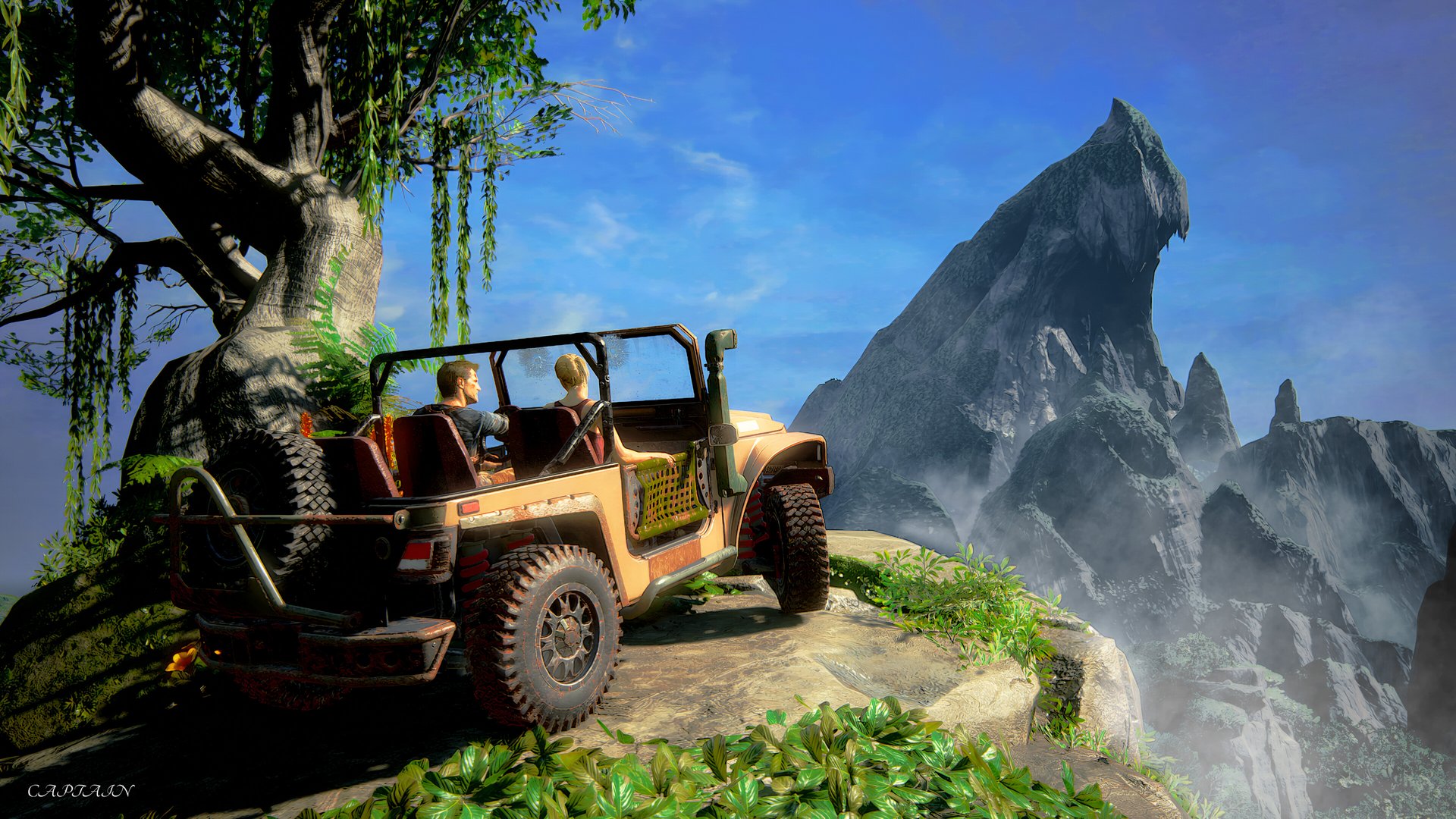
Linear Games: When the Experience Is Carefully Directed
A linear game is built like a controlled experience. The player moves forward through a sequence of moments designed in a specific order. Not because developers lack creativity, but because they want to control how you experience the story.
Think of it like being in a guided experience where every moment is placed intentionally. You are not choosing the direction, you are absorbing it
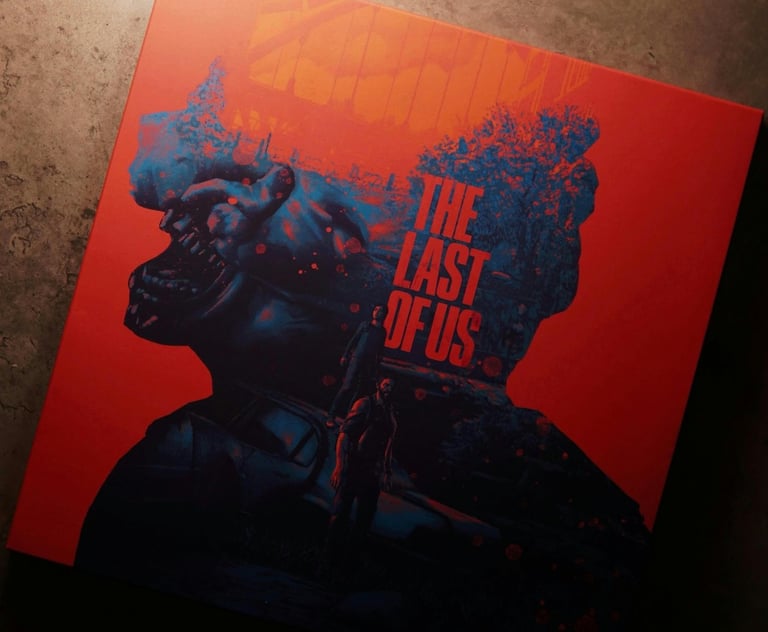
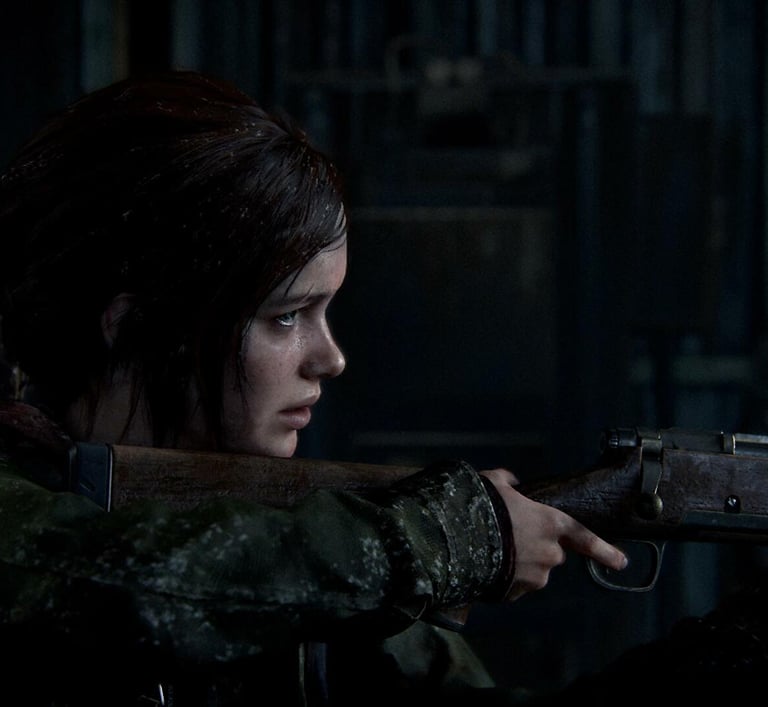
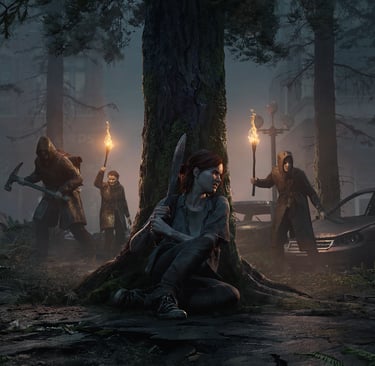
A strong example is The Last of Us.
The game never really lets you drift off and lose track of the story. Every environment, every encounter, every quiet moment between dialogue is placed with purpose. You move forward because the game is constantly shaping your attention.
And that is where linear design shines.
It allows developers to control pacing with precision. A calm moment before tension hits. A sudden shift in emotion. A reveal that lands exactly when it should.
You don’t have to wonder what to do next, which is part of the advantage. The experience feels focused, almost like the game is removing all distractions so you can fully absorb the story.
But that strength also comes with a limitation.
Because everything is structured, there is less room for personal discovery. You are experiencing the story, not shaping it. Once you finish the journey, replay value often depends on how much you enjoyed the narrative itself, not how differently you can approach it.
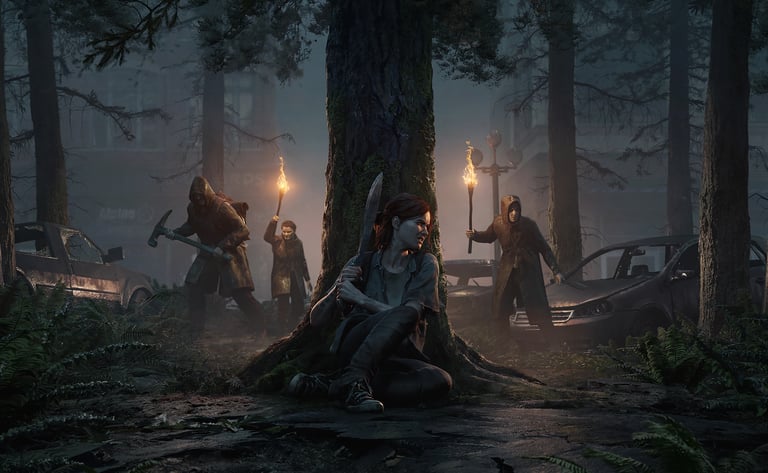
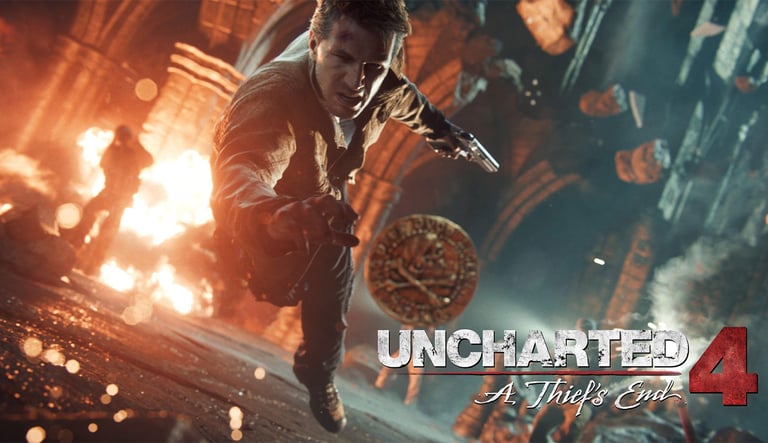
Then there is Uncharted 4: A Thief’s End, which pushes this even further into cinematic territory. Set pieces feel like they were choreographed in advance, not discovered. Even when the game gives you control, it still subtly directs your attention like a film scene in motion.
Linear games do one thing extremely well: they make sure you feel what the developers want you to feel, exactly when they want you to feel it.
Open world games remove that structure almost completely.
Instead of guiding you step by step, they drop you into a living environment and let you decide what your experience looks like.
At first, it can feel strange. There is no clear “correct” direction. The world does not wait for you to catch up. It continues existing with or without your involvement.
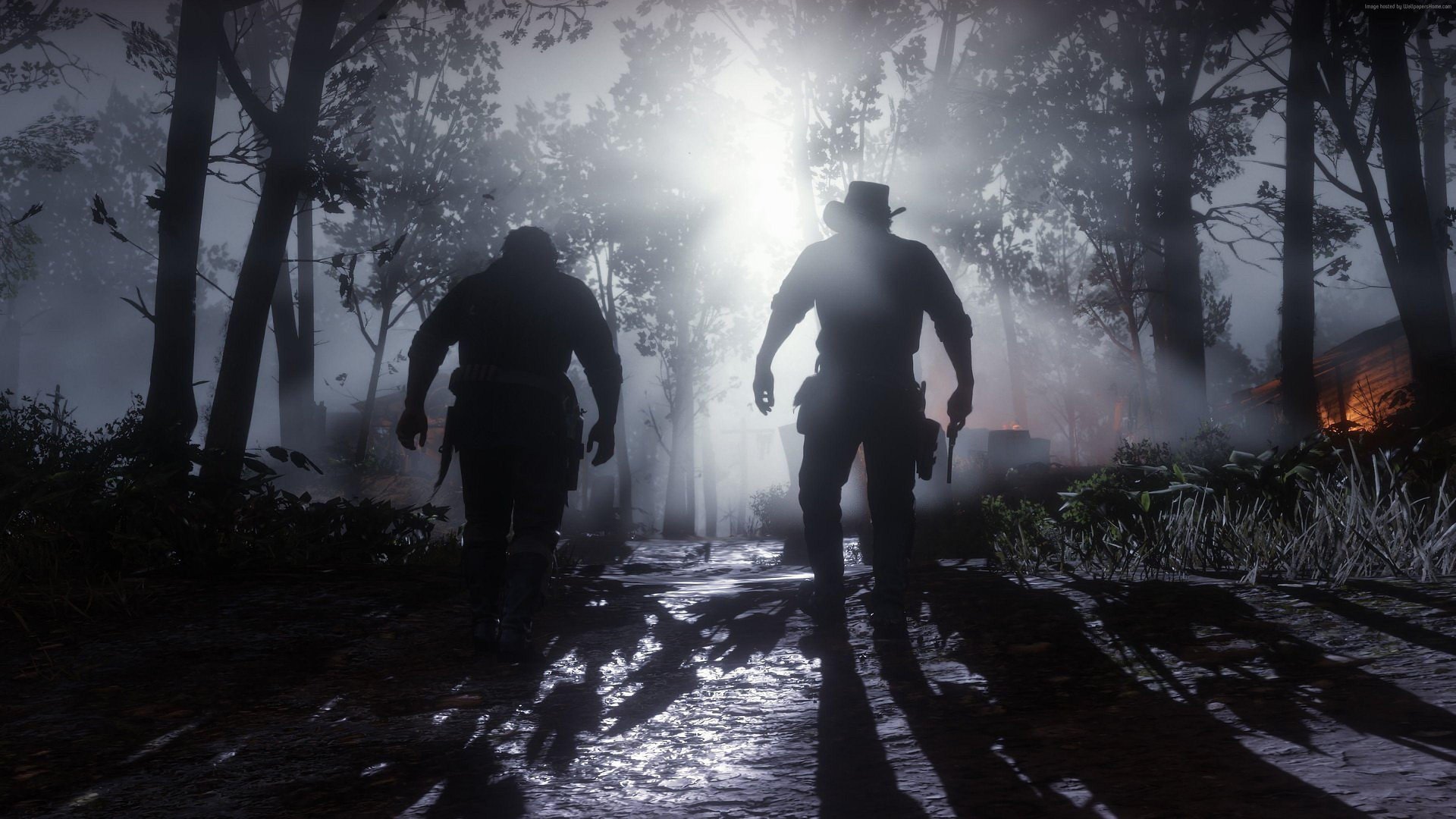
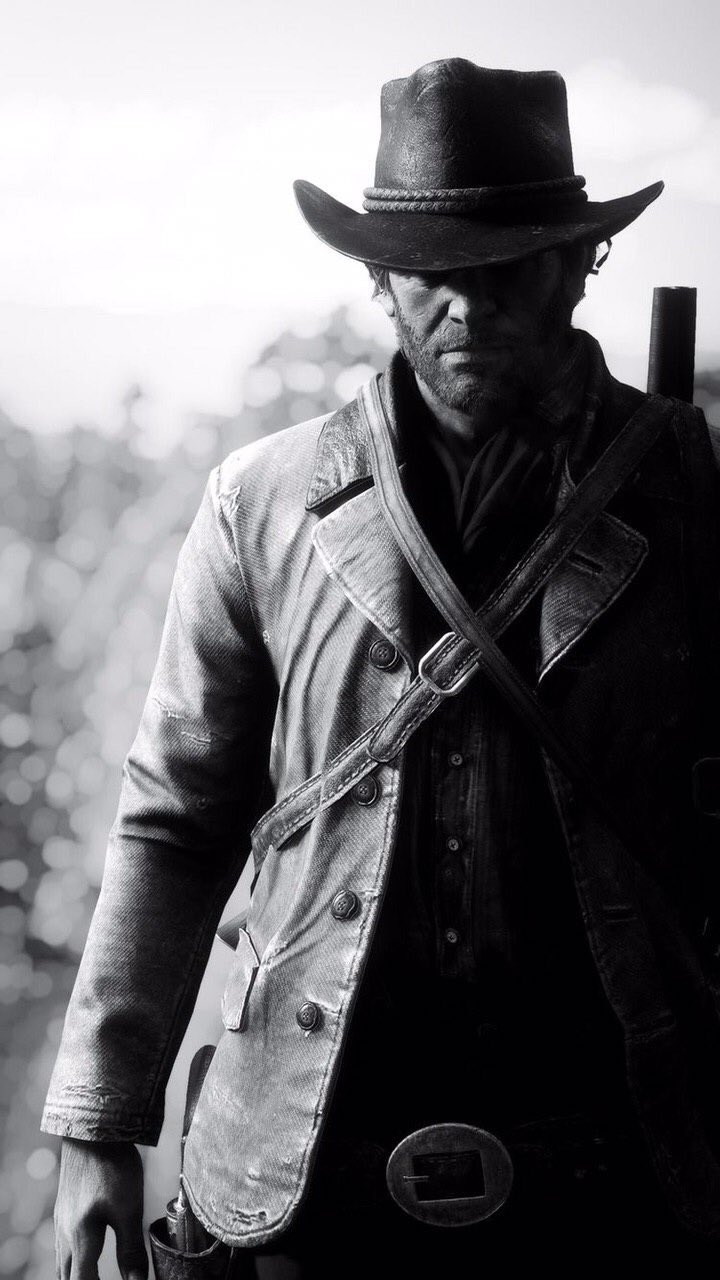
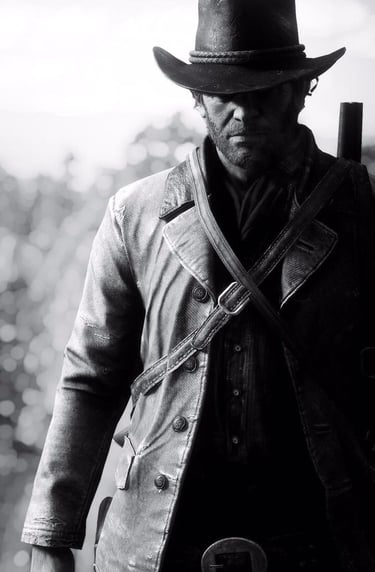
A good example is Red Dead Redemption 2.
Yes, there is a main story about Arthur Morgan, but the world around it is constantly pulling your attention away in small, unpredictable ways. A stranger calling for help. A storm rolling in while you are miles from nowhere. A moment where you are not “progressing” anything, but still experiencing something meaningful.
That is the strength of open world design.
It creates space for moments that were not strictly planned for you, even if they were designed by the developers. You feel like you are discovering the world rather than being led through it.
But that freedom has a trade-off.
Without structure, pacing becomes your responsibility. The game cannot guarantee emotional timing the same way a linear game can. Sometimes you might get overwhelmed by options or lose track of the main narrative entirely.
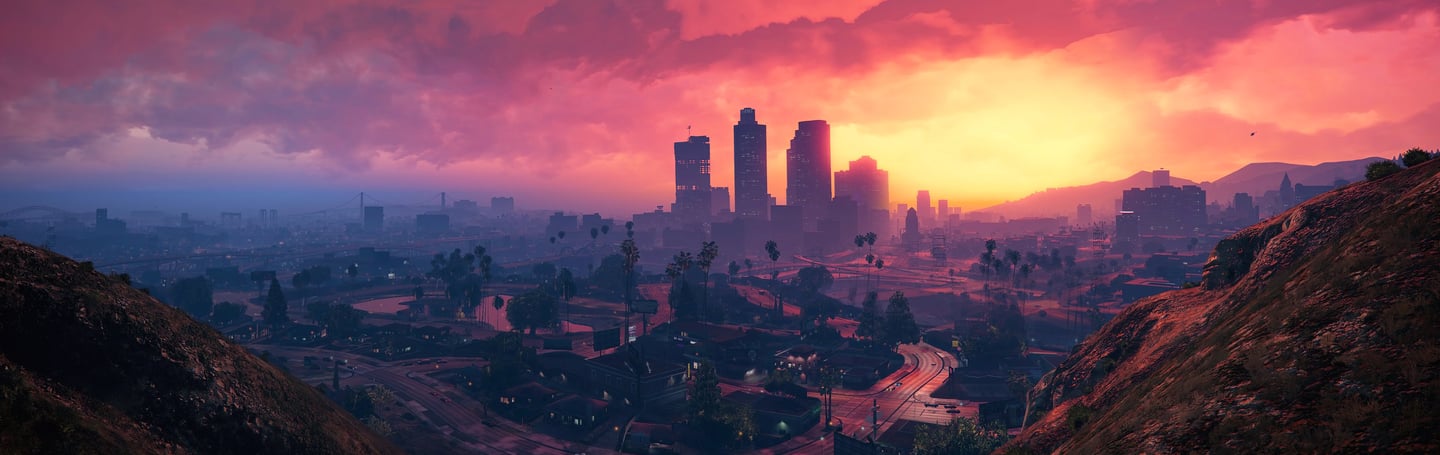
Then there is Grand Theft Auto V, which shows another side of this freedom. The game gives you a structured story, but it is constantly competing with the chaos of its own world. You might intend to do a mission, but end up distracted by everything happening in between.
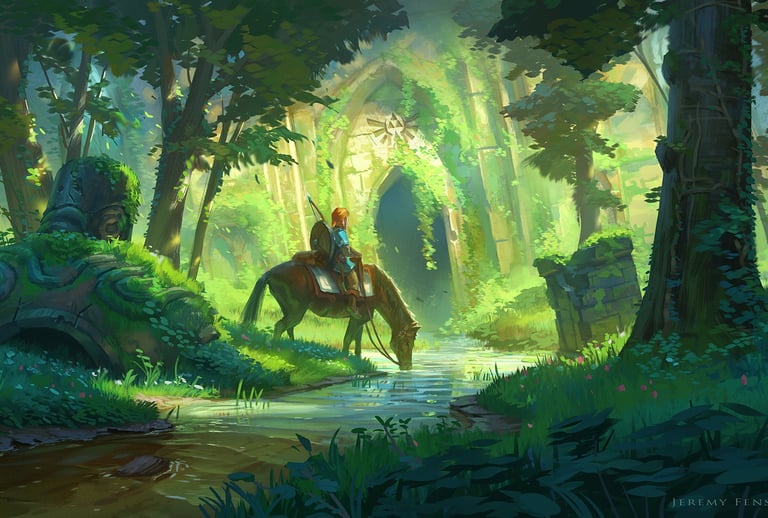
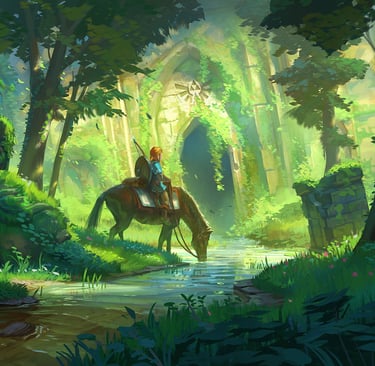
And in The Legend of Zelda: Breath of the Wild, that freedom becomes the core identity. You are given goals, but not a strict order. You decide how to approach challenges, where to go first, and what to ignore entirely.
Open world games are powerful because they give you agency. But that agency also means the experience is no longer guaranteed to land the same way for every player.
A Real-World Comparison: Guided Tours vs Self-Exploration
To understand this better, imagine traveling in a new city.
A linear game is like a guided tour.
You are taken from landmark to landmark. The timing is planned. The guide knows exactly what you will see next. You are not worried about getting lost, because the path is already mapped out for you. The experience is smooth, controlled, and curated. You will likely see everything at its most impactful order, but you also don’t really choose where the journey goes.
An open world game is like arriving in a city with no guide at all. You might still visit famous places, but you might also stumble into hidden streets, random events, or places you never planned to see. The experience becomes personal. Two people can visit the same city and come back with completely different stories. The downside is obvious though. You can waste time. You can miss important places. You can feel lost. But you also get freedom that a guided experience can never fully replicate.
That is exactly how these two game types feel.
Why Both Styles Still Work So Well
What makes this debate interesting is that neither approach has replaced the other. They both still exist because they solve different problems in game design. Linear games are perfect when the goal is emotional control and storytelling precision. Open world games are perfect when the goal is freedom and player expression. One removes choice to create meaning. The other gives choice and lets meaning form through experience. Modern games often sit somewhere in between, borrowing from both sides. You might have a huge open world, but a tightly controlled main storyline running through it. Or a linear structure with small exploration pockets in between.
The difference between linear and open world games is not about size or graphics or even gameplay mechanics. It is about how a game treats your presence inside its world. Do you want to be guided through something carefully designed for emotional impact? Or do you want to be released into a world and see what kind of story you create on your own? Neither answer is wrong. They are just different ways of telling you the same thing: you are in control of how you experience the game, even when the game decides how much control to give you.